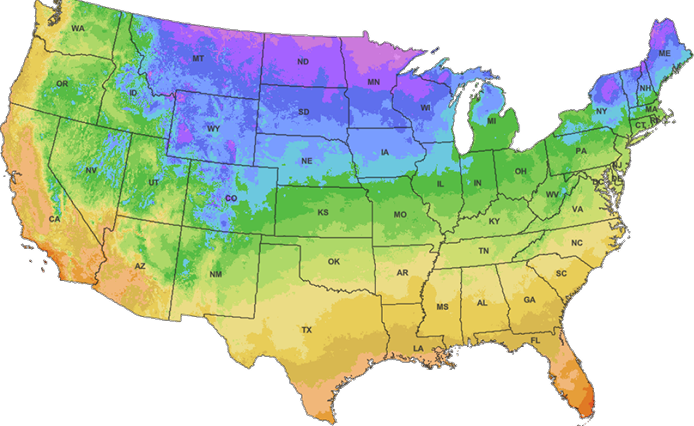
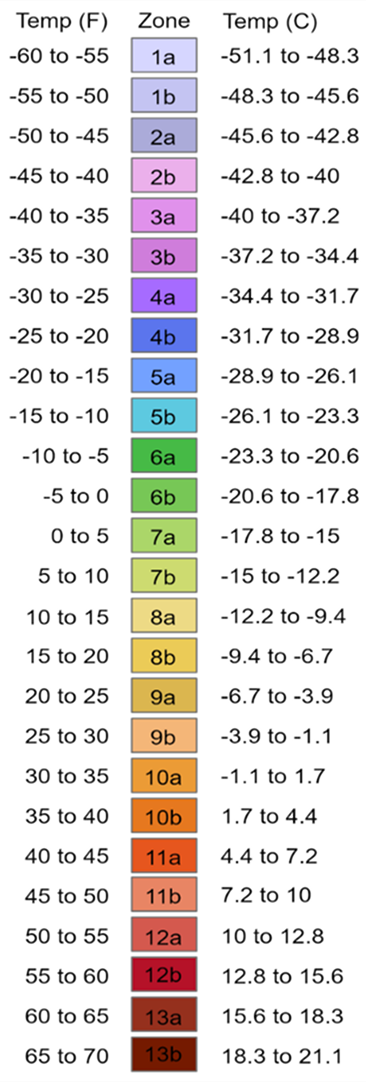
Zone Compatibility

| Height | 12' - 15' |
| Spread | 15' - 20' |
| Tree Form | Single-wire or double-cordon system (spur pruning annually) |
| USDA Zone | 7 - 10 |
| Blooms | May |
| Drops Fruit or Nut | August - September |
| Soil | Well-drained sandy or loamy soil |
| Soil pH | 5.5 - 6.5 |
| Light requirements | Full Sun |
| Pollination | Self-fertile |
Delicious Muscadine Grape Vine
Price range: $21.56 through $31.96
Zone Compatibility

| Height | 12' - 15' |
| Spread | 15' - 20' |
| Tree Form | Single-wire or double-cordon system (spur pruning annually) |
| USDA Zone | 7 - 10 |
| Blooms | May |
| Drops Fruit or Nut | August - September |
| Soil | Well-drained sandy or loamy soil |
| Soil pH | 5.5 - 6.5 |
| Light requirements | Full Sun |
| Pollination | Self-fertile |
We accept orders year-round.
Accepting orders to ship this season or at later date.
For more information see the Ordering & Shipping section below.
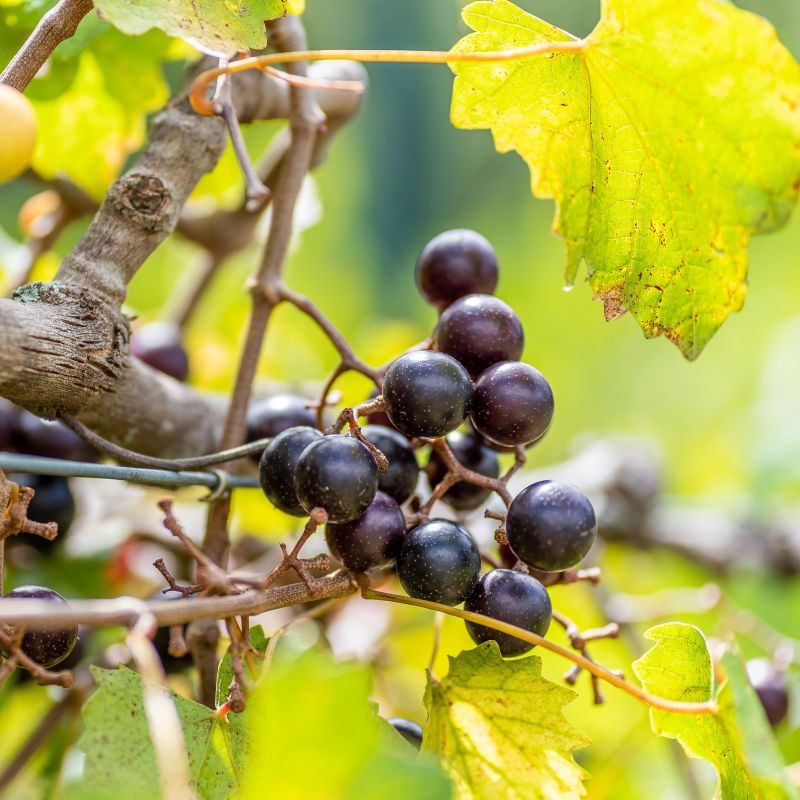
The Delicious Muscadine is a highly productive, self-fertile bronze muscadine known for its large fruit, tender skin, and intensely sweet flavor. It’s ideal for fresh eating but also performs well in juices, jellies, and even homemade wine. With excellent disease resistance and vigorous growth, it’s a favorite among home gardeners and growers in the Southeastern U.S.
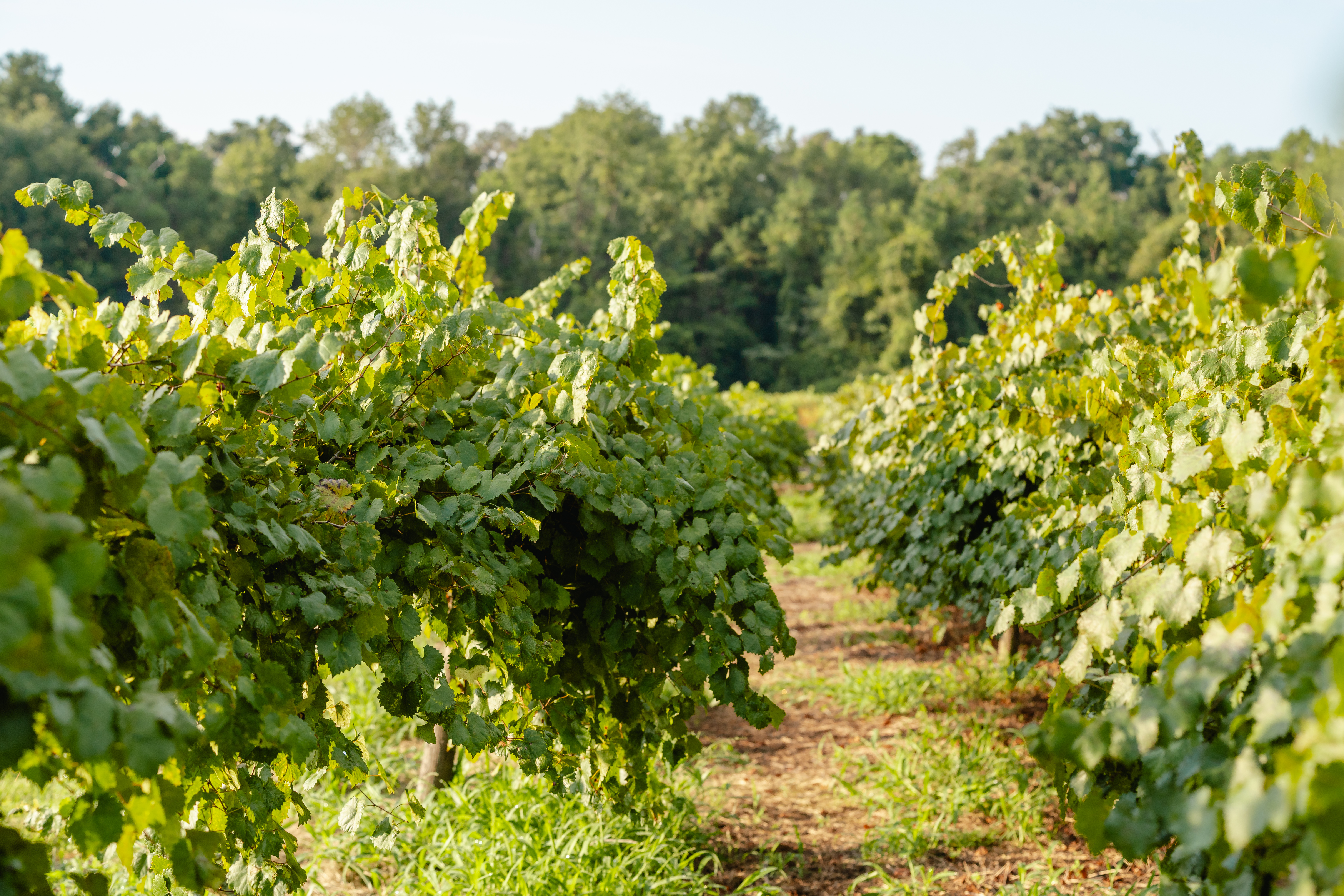
Delicious ripens in late summer, producing dense clusters of golden-bronze grapes that practically glow in the sun. The vine thrives in hot, humid climates and requires minimal care once established—just full sun, proper support, and annual pruning to keep it thriving.
Requires 200 – 300 chill hours.
| Height | 12' - 15' |
| Spread | 15' - 20' |
| Tree Form | Single-wire or double-cordon system (spur pruning annually) |
| USDA Zone | 7 - 10 |
| Blooms | May |
| Drops Fruit or Nut | August - September |
| Soil | Well-drained sandy or loamy soil |
| Soil pH | 5.5 - 6.5 |
| Light requirements | Full Sun |
| Pollination | Self-fertile |
| Spacing | 12' - 20' between vines |
| Pruning | Train to trellis. Fruit is produced on new shoots developing from the previous year’s growth. In Year 3, canes produced the previous year should be pruned to approximately 3 in. long in January or February. These canes will produce several shoots that will fruit during the following summer. These new shoots will be cut back to 3 in. the next winter, forming the first fruiting spurs. Depending upon the growth rate of the plants, spurs will need to be thinned in Year 5 or 6 after planting. During the winter pruning, remove every other shoot, aiming for a fruiting spur every 6 in. on each arm. Choose spurs on the top of the vine, if possible. Allow a few extra shoots to grow from the arms to form replacement spurs as the vine ages. Remove tendrils twining around the arms or spurs to prevent girdling |
| Fertilization | Do not fertilize at planting. Once the trees are established, fertilize in early spring (Mar-April) as growth begins. Do not fertilize in the fall, which could promote late season tender growth that can be damaged by early frosts. |
| Watering | Newly planted trees should be watered regularly. This is the most critical step in the establishment of your new trees. Please see the Watering section under "How to plant and grow" in our Learning Center. |
At Chestnut Hill Outdoors, we’ve been shipping mail order trees for over 30 years. We’re experts at delivering healthy trees to your doorstep. All of our trees are container grown in root-enhancing pots, ensuring healthy root systems and much better success upon planting.
For more information, visit our Ordering & Shipping Page.