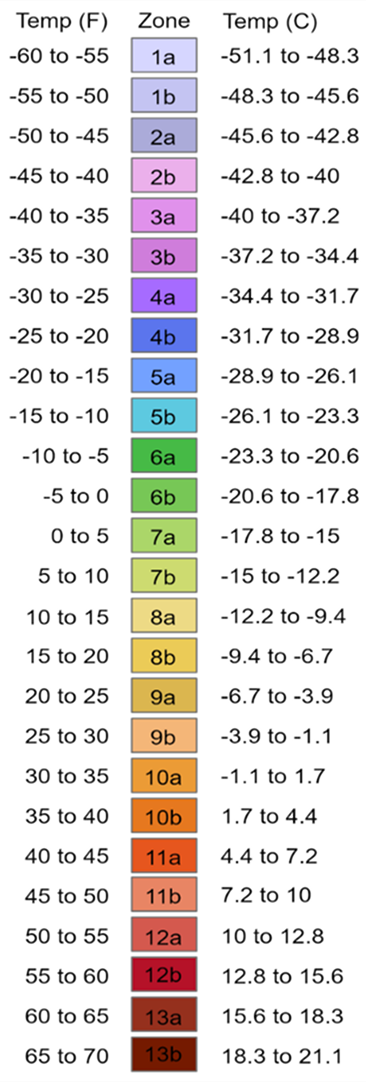
Zone Compatibility

Height 20' – 30'
Spread 15' – 20'
Tree Form Upright, spreading tree; can be pruned to maintain a smaller bush form
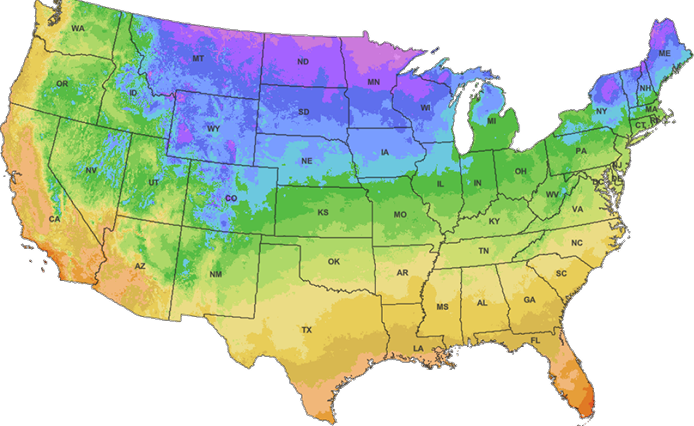
USDA Zone Zones 4–10 (very cold hardy, often tolerant to −20°F or lower)
Blooms Spring (small, greenish-yellow mulberry flowers)
Drops Fruit or Nut Mid to late summer into early fall (continuous or “everbearing” ripening)
Soil Well-drained soil; very adaptable to a range of soil types including sandy, loamy, clay, and poorer soils once established
Soil pH Adaptable to 5.5 – 7.0
Light requirements Full sun (minimum 6–8 hours direct sunlight)
Pollination Self-fertile (single tree produces fruit); yields can be enhanced with additional mulberry trees nearby
Suggested Pollinators Additional mulberry trees increase pollination and fruit production — beneficial for maximum harvest density

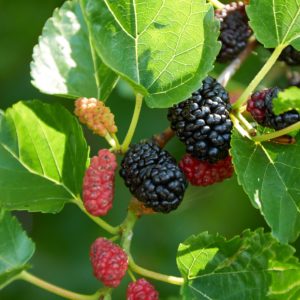
Illinois Everbearing Mulberry Tree

Morus nigra

Price range: $36.95 through $106.95

Your order will ship UPS Ground directly to you. Trees ship within 7-14 days unless specified or special requested. Pre order trees and bare root trees ship starting February according to your USDA Zone.

Zone Compatibility

Height 20' – 30'
Spread 15' – 20'
Tree Form Upright, spreading tree; can be pruned to maintain a smaller bush form
USDA Zone Zones 4–10 (very cold hardy, often tolerant to −20°F or lower)
Blooms Spring (small, greenish-yellow mulberry flowers)
Drops Fruit or Nut Mid to late summer into early fall (continuous or “everbearing” ripening)
Soil Well-drained soil; very adaptable to a range of soil types including sandy, loamy, clay, and poorer soils once established
Soil pH Adaptable to 5.5 – 7.0
Light requirements Full sun (minimum 6–8 hours direct sunlight)
Pollination Self-fertile (single tree produces fruit); yields can be enhanced with additional mulberry trees nearby
Suggested Pollinators Additional mulberry trees increase pollination and fruit production — beneficial for maximum harvest density

We accept orders year-round.

Your order will ship within next 7-14 days or requested date.

 For more information see the Ordering & Shipping section below.


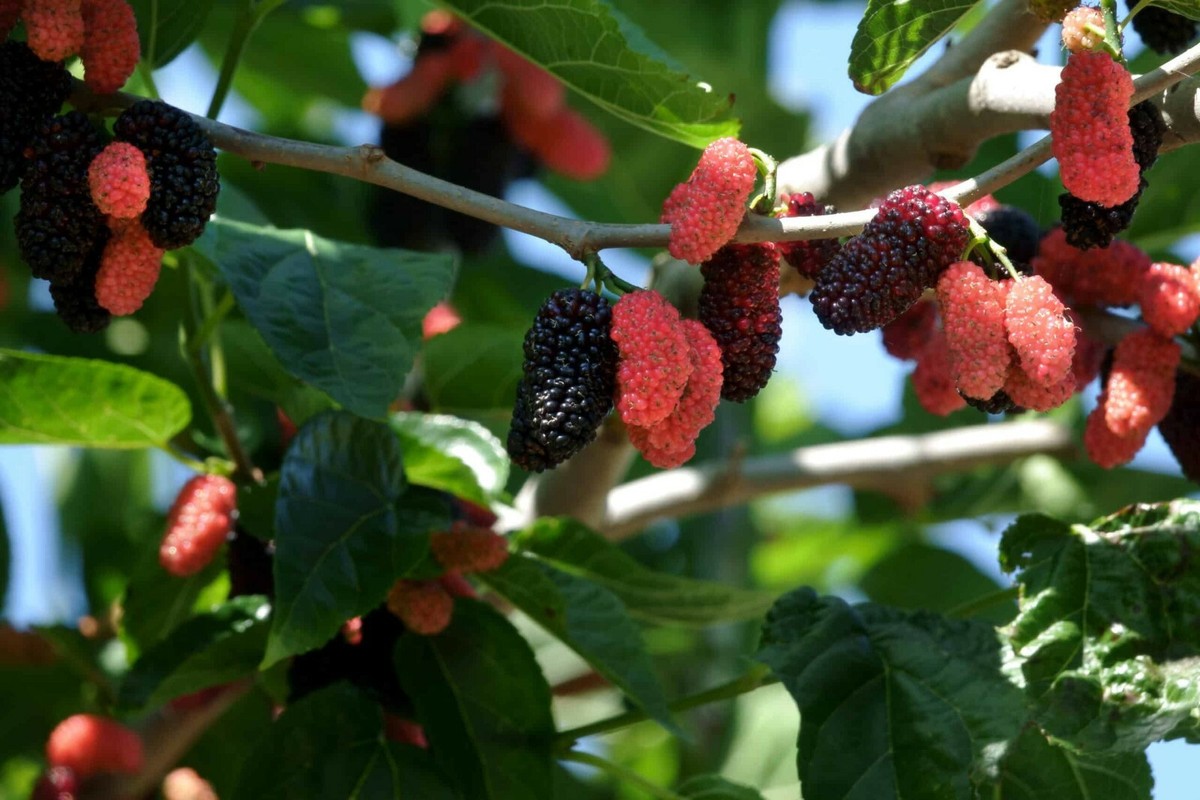
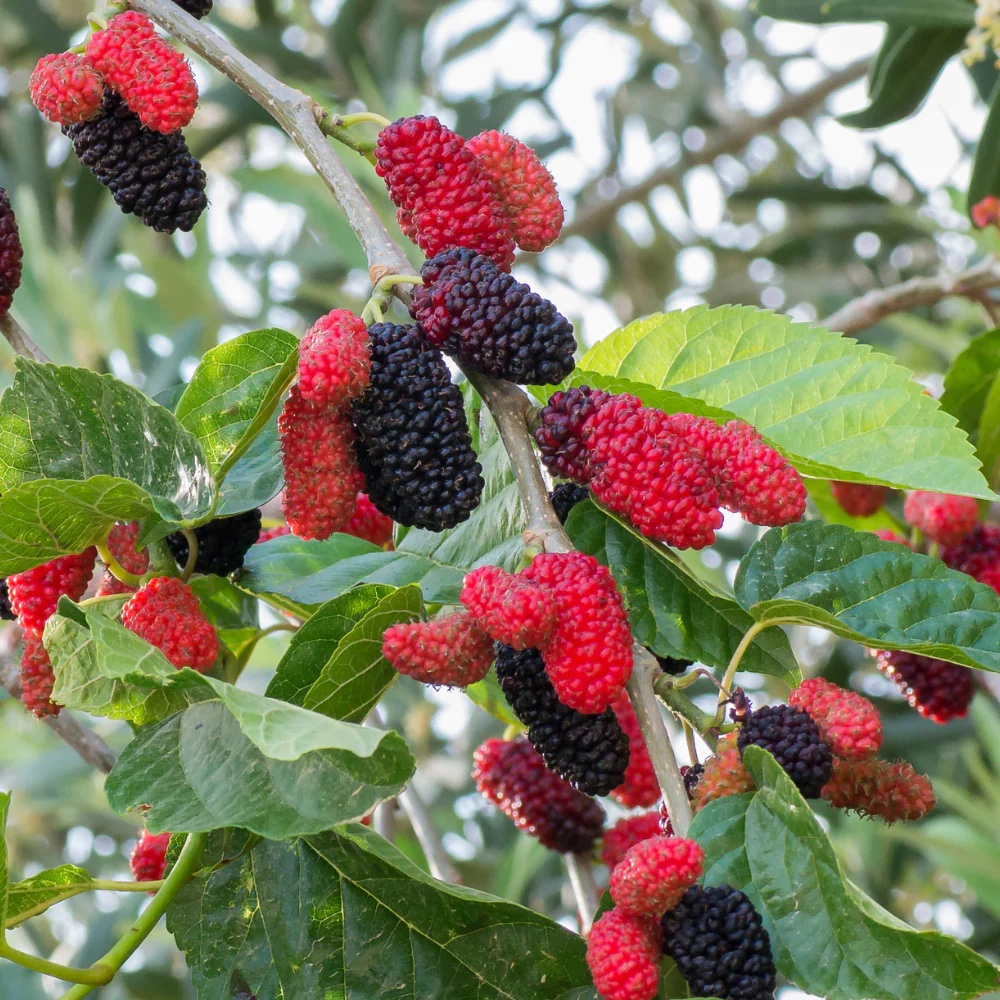
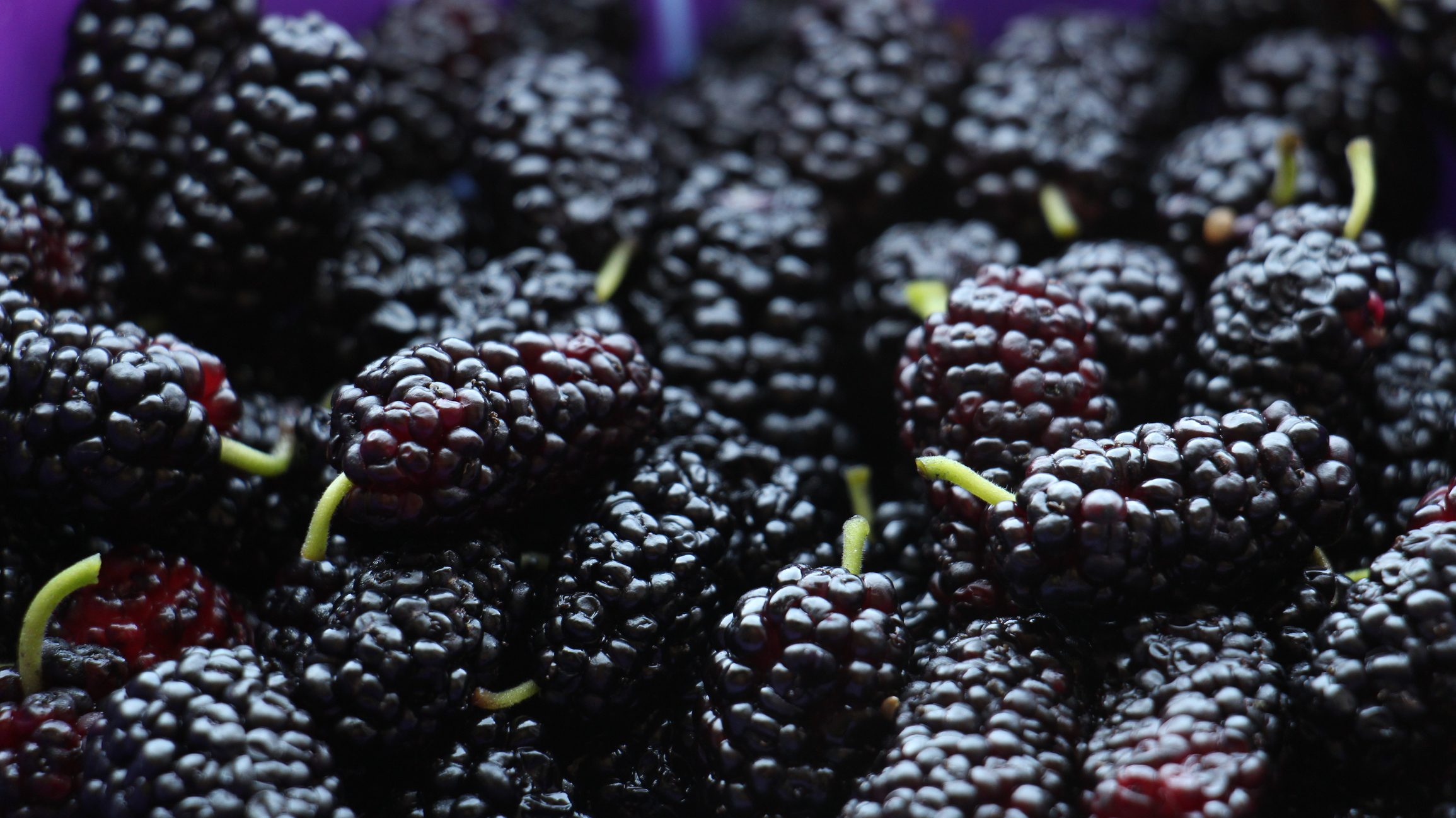
The Illinois Everbearing Mulberry is one of the most sought-after fruiting mulberry trees, cherished for its exceptionally long harvest season, vigorous growth, and richly sweet, blackberry-like berries. Producing fruit for up to four months, this hardy mulberry delivers a steady supply of deep purple, juicy berries perfect for fresh eating, jams, pies, smoothies, and wildlife attraction. Its fruit is celebrated for its balanced sweetness, soft texture, and seedless-like eating quality—making it a favorite among home gardeners and orchardists alike.

A fast-growing, cold-hardy mulberry, Illinois Everbearing thrives in USDA Zones 4–9, outperforming many other varieties in colder climates. The tree features a graceful, wide canopy with lush foliage, offering both shade and heavy fruit production. Vigorous and adaptable, it tolerates a wide range of soils and begins producing fruit within 2–3 years, rewarding growers quickly. Its long ripening period also makes it an exceptional wildlife tree, providing early- to mid-season nourishment for birds, deer, and other game.

For land stewards, homesteads, and edible landscapes seeking a high-yield, low-maintenance, multi-month fruiting mulberry, the Illinois Everbearing Mulberry remains one of the best-performing and most reliable choices available.

Height 20' – 30'
Spread 15' – 20'
Tree Form Upright, spreading tree; can be pruned to maintain a smaller bush form
USDA Zone Zones 4–10 (very cold hardy, often tolerant to −20°F or lower)
Blooms Spring (small, greenish-yellow mulberry flowers)
Drops Fruit or Nut Mid to late summer into early fall (continuous or “everbearing” ripening)
Soil Well-drained soil; very adaptable to a range of soil types including sandy, loamy, clay, and poorer soils once established
Soil pH Adaptable to 5.5 – 7.0
Light requirements Full sun (minimum 6–8 hours direct sunlight)
Pollination Self-fertile (single tree produces fruit); yields can be enhanced with additional mulberry trees nearby
Suggested Pollinators Additional mulberry trees increase pollination and fruit production — beneficial for maximum harvest density

Spacing 40' - 50'
Pruning Light pruning while young to create strong branch framework
Fertilization Do not fertilize at planting. Once the trees are established, fertilize in early spring (Mar-April) as growth begins. Do not fertilize in the fall, which could promote late season tender growth that can be damaged by early frosts.
Watering Newly planted trees should be watered regularly. This is the most critical step in the establishment of your new trees. Please see the Watering section under "How to plant and grow" in our Learning Center.

At Chestnut Hill Outdoors, we’ve been shipping mail order trees for over 30 years. We’re experts at delivering healthy trees to your doorstep. All of our trees are container grown in root-enhancing pots, ensuring healthy root systems and much better success upon planting. 


For more information, visit our Ordering & Shipping Page.

Alachua, FL

Get Dirt Wisdom.

Join our mailing list.

0
    Your Basket
    Your cart is emptyReturn to Shop