We accept orders year-round.
Your order will ship within next 7-14 days or requested date.
For more information see the Ordering & Shipping section below.
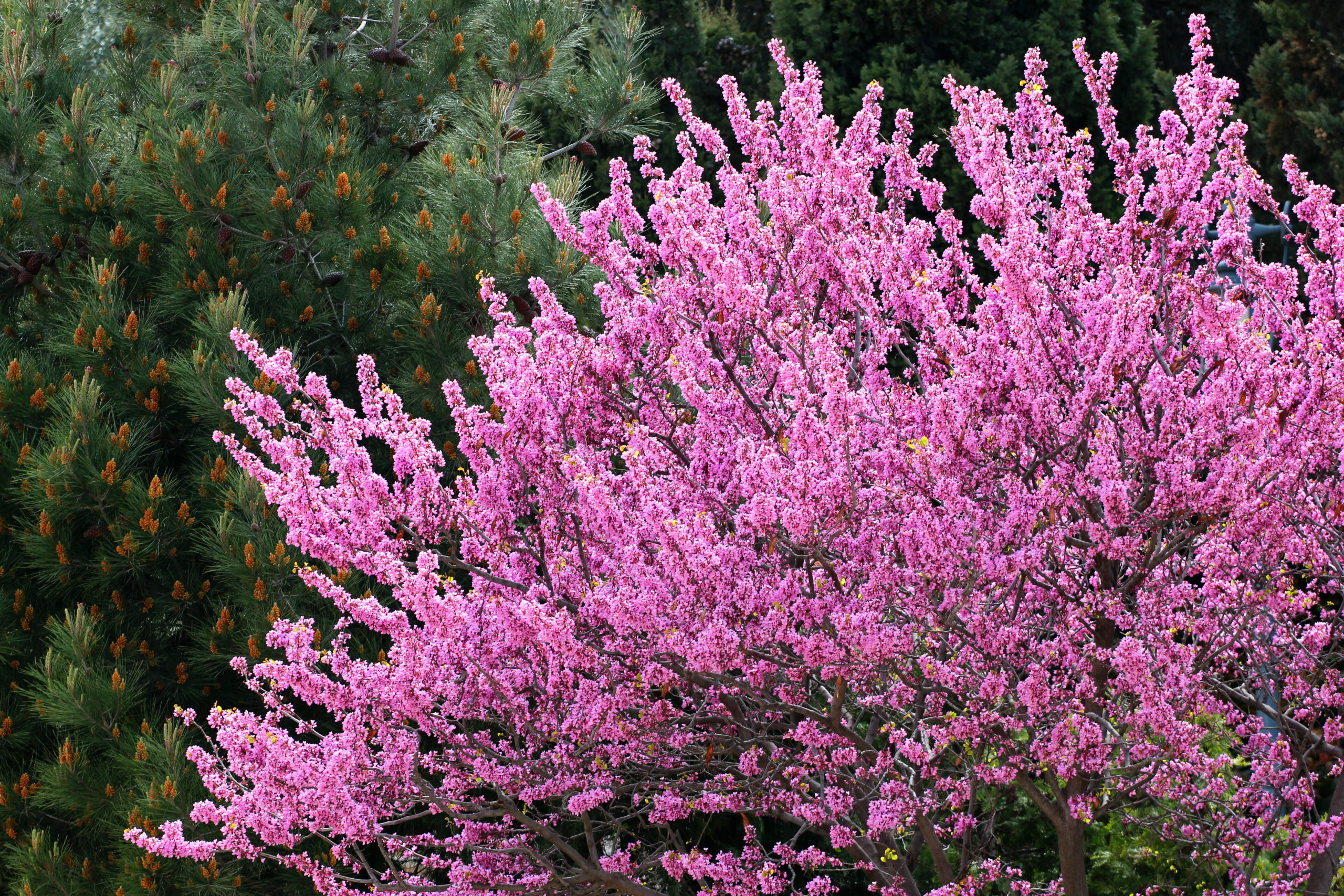
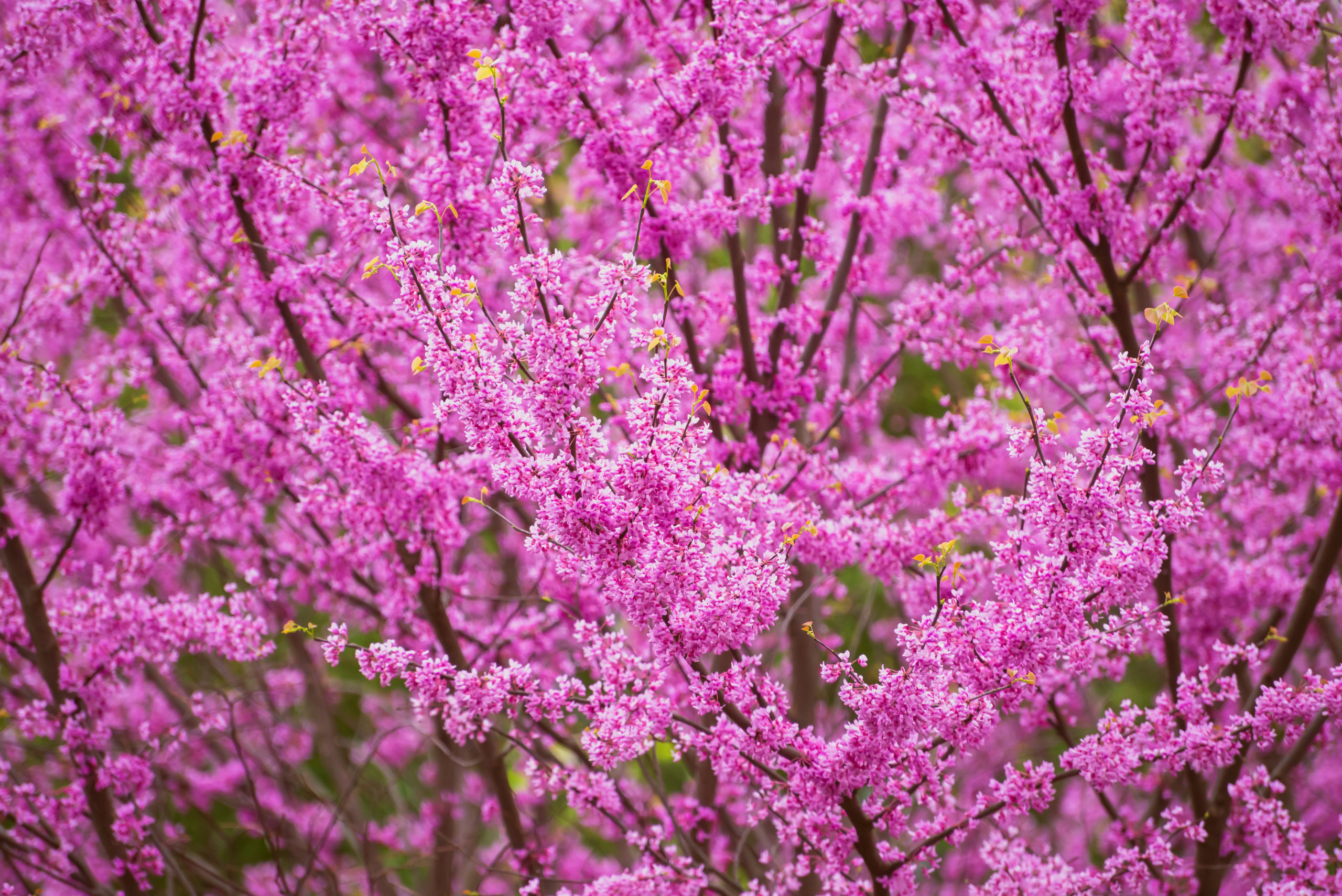
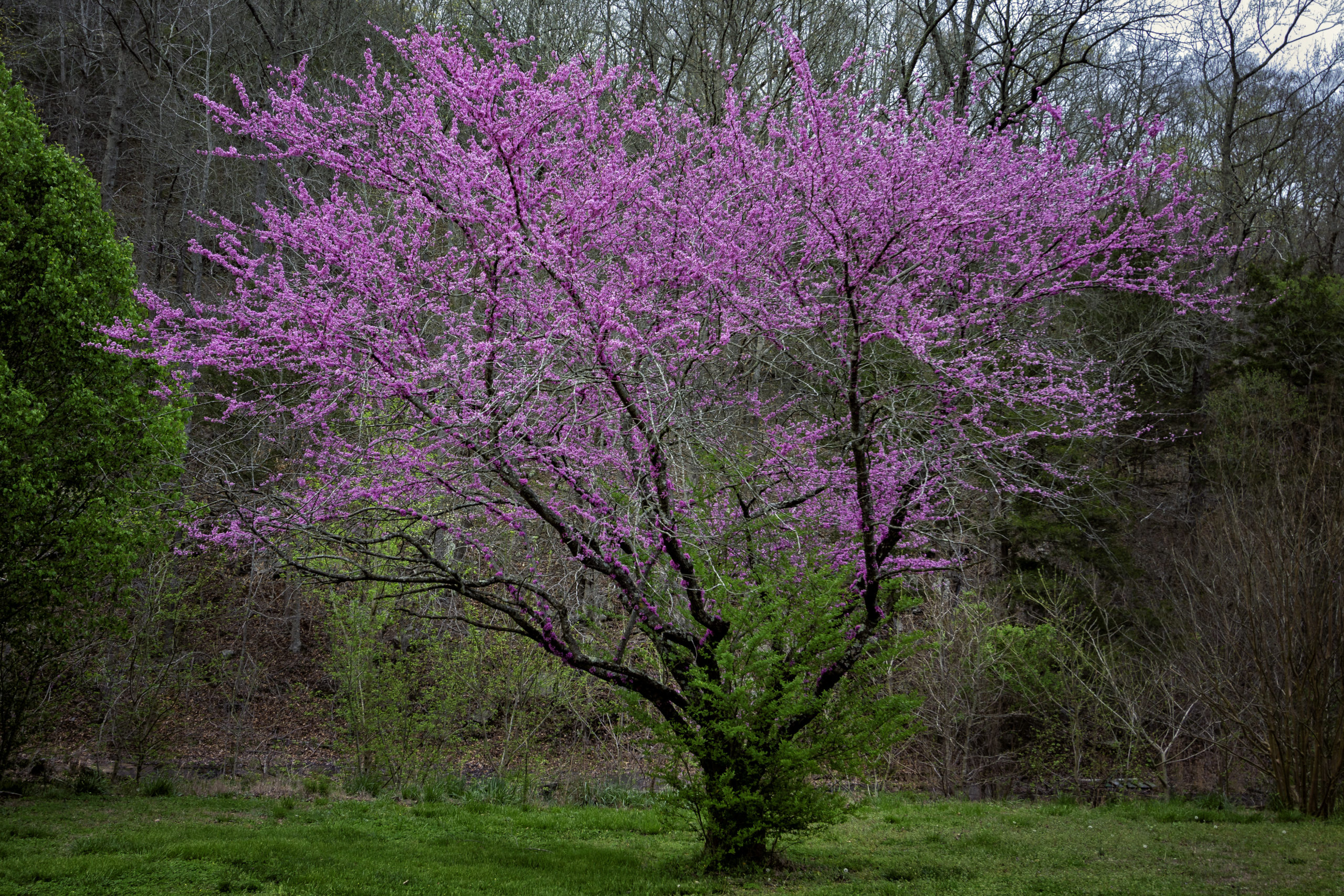
The Eastern Redbud (Cercis canadensis) is one of the most beloved native flowering trees in the eastern United States, celebrated for its vibrant magenta-pink blossoms that appear in early spring before the leaves emerge. These striking blooms blanket the branches, providing one of the earliest and most important nectar sources for bees, butterflies, birds, and beneficial insects. As the season progresses, heart-shaped dark green leaves fill in, later turning a bright yellow in fall, offering multi-season ornamental appeal.
Exceptionally adaptable, Eastern Redbud thrives in a wide range of soil types and light conditions, tolerating acidic or alkaline soils, moist sites, and heavy clay with ease. Its small, graceful stature makes it an ideal understory tree for woodlines, food plots, native landscapes, and residential plantings where space is limited but impact matters. Because it flowers so early, Redbud plays a critical role in supporting pollination cycles, helping ensure stronger fruit and nut production across your entire property when paired with later-blooming pollinator plants.
For land managers, gardeners, and habitat planners seeking a versatile, pollinator-boosting native tree with unmatched spring color and ecological value, the Eastern Redbud is an essential addition to any thoughtfully designed landscape.
| Height |
20' - 30' |
| Spread |
25' - 35' |
| Tree Form |
Modified Leader |
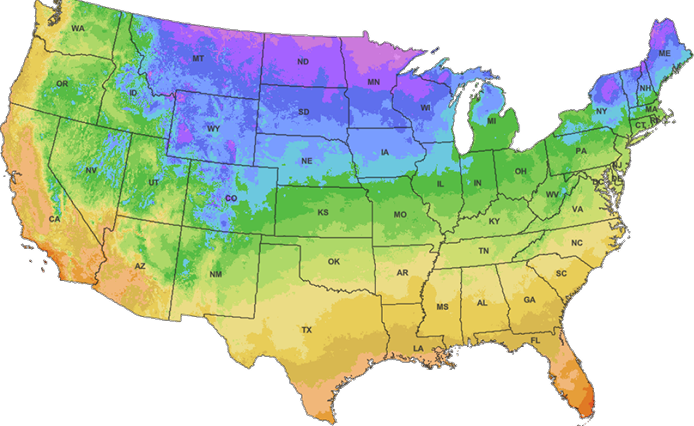
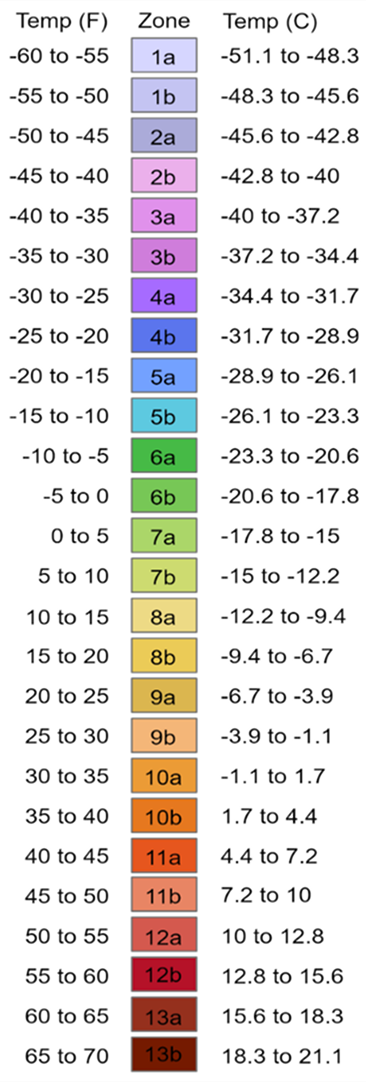
| USDA Zone |
4 - 9 |
| Blooms |
March - May |
| Drops Fruit or Nuts |
N/A |
| Soil |
Moist, well drained. Can tolerate clay |
| Soil pH |
4.5 - 7.5 |
| Light requirements |
Full Sun to Partial Shade |