We accept orders year-round.
Your order will ship within next 7-14 days or requested date.
For more information see the Ordering & Shipping section below.
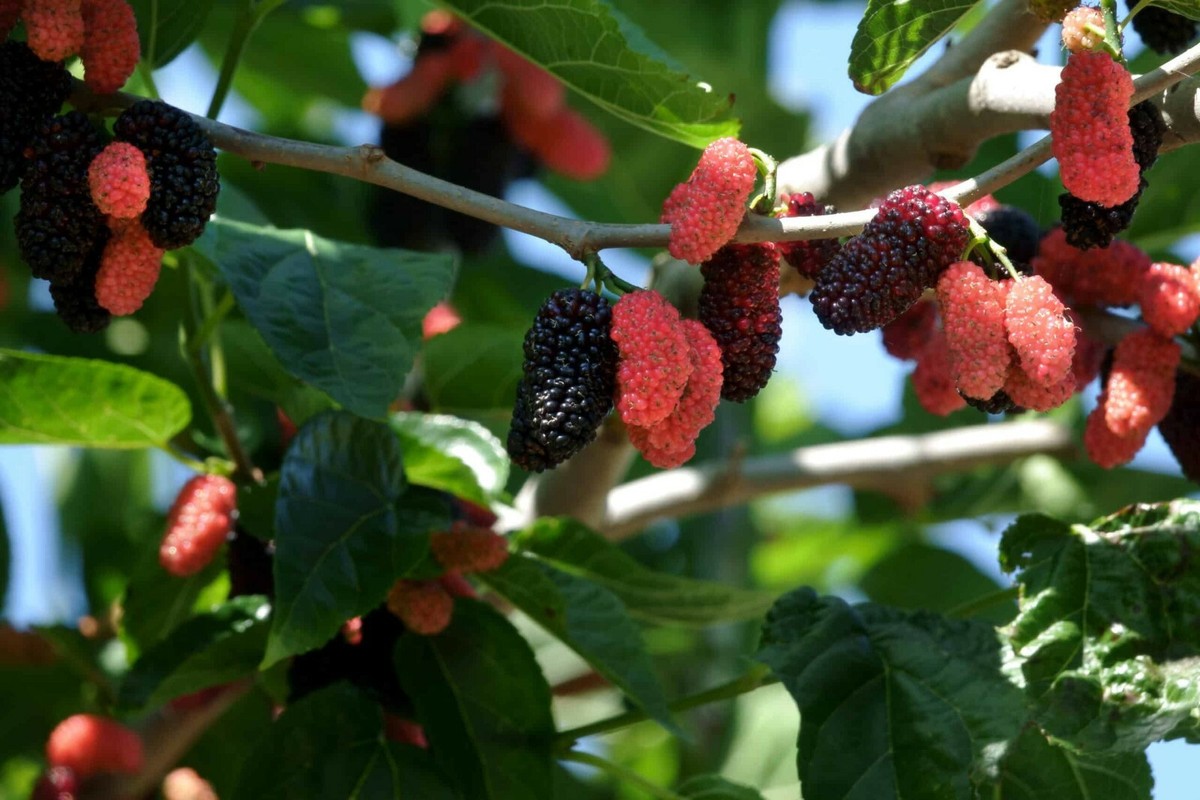
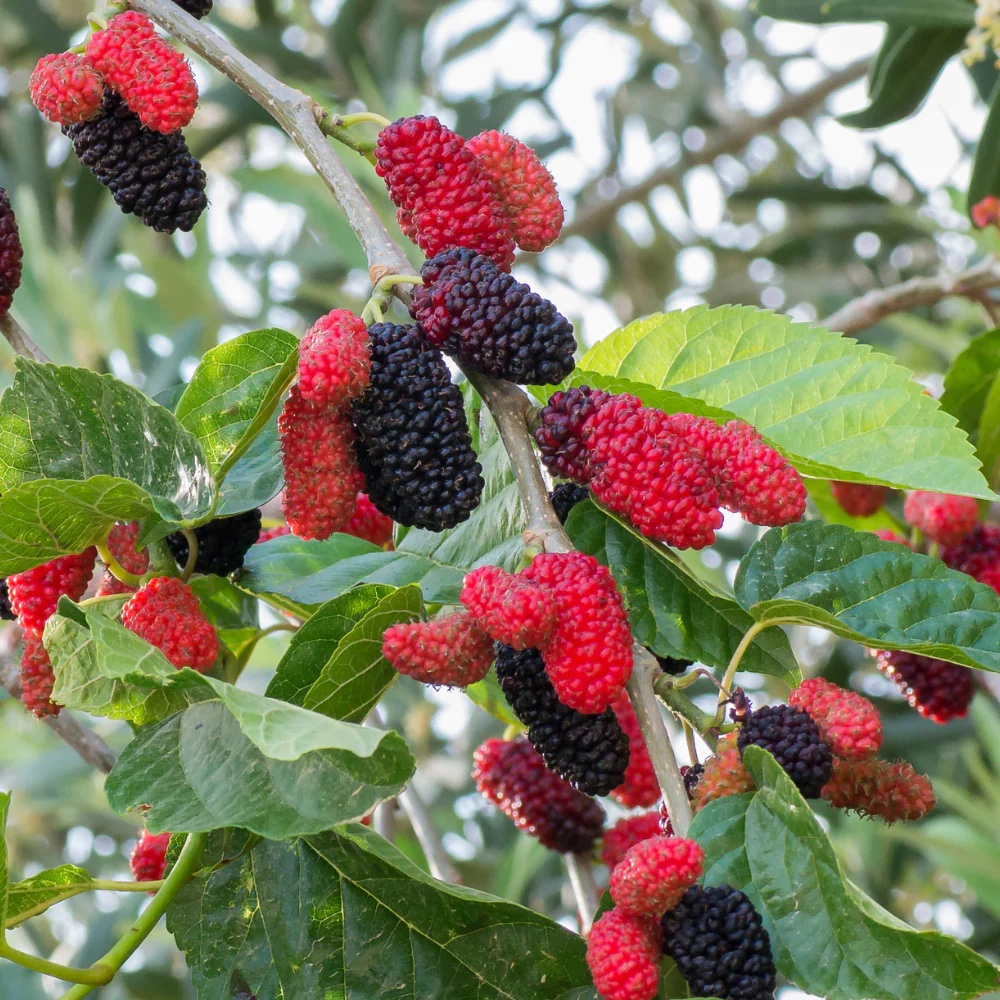
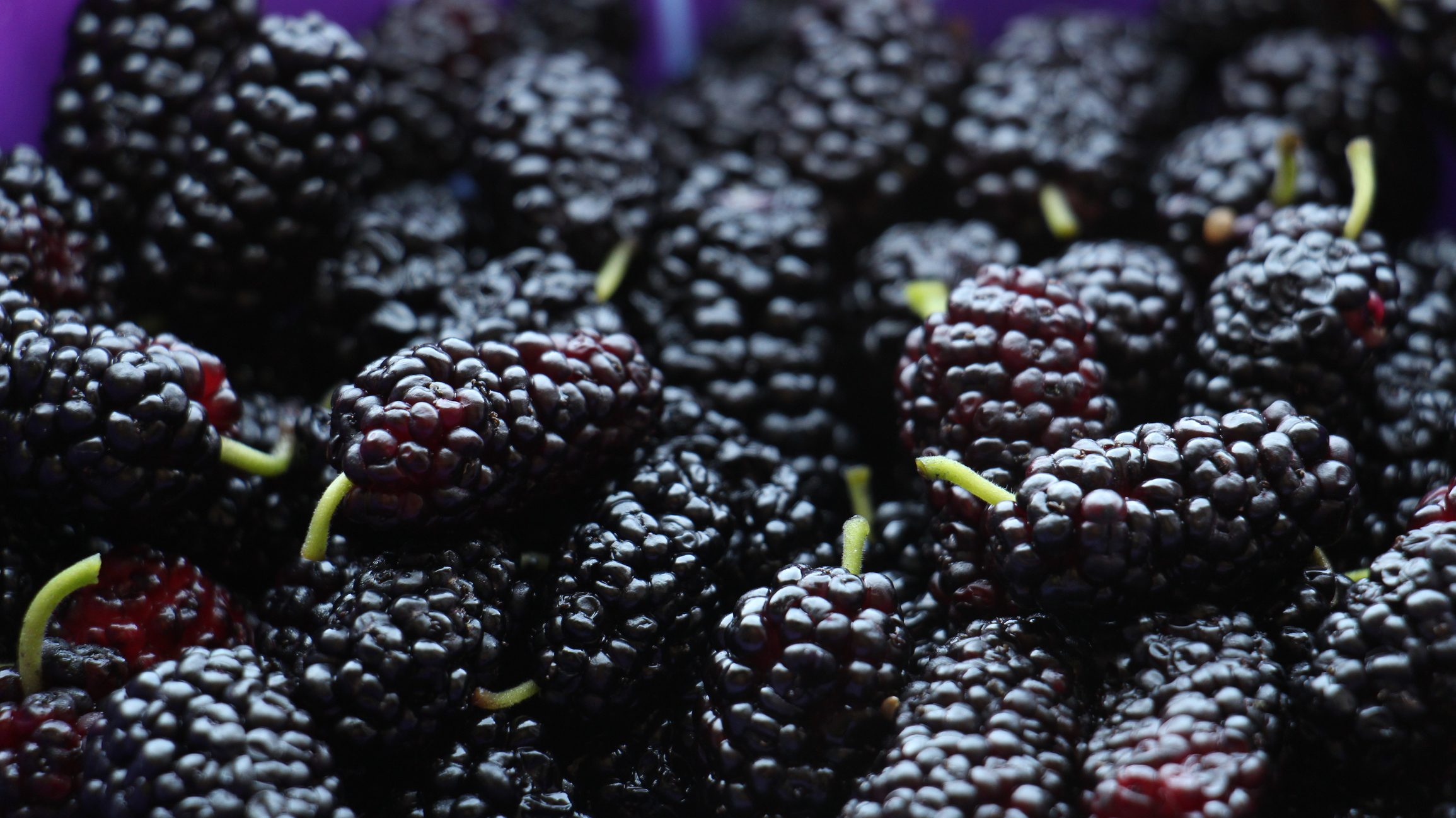
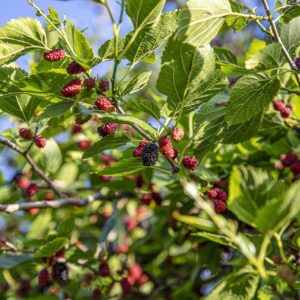
The Illinois Everbearing Mulberry is one of the most sought-after fruiting mulberry trees, cherished for its exceptionally long harvest season, vigorous growth, and richly sweet, blackberry-like berries. Producing fruit for up to four months, this hardy mulberry delivers a steady supply of deep purple, juicy berries perfect for fresh eating, jams, pies, smoothies, and wildlife attraction. Its fruit is celebrated for its balanced sweetness, soft texture, and seedless-like eating quality—making it a favorite among home gardeners and orchardists alike.
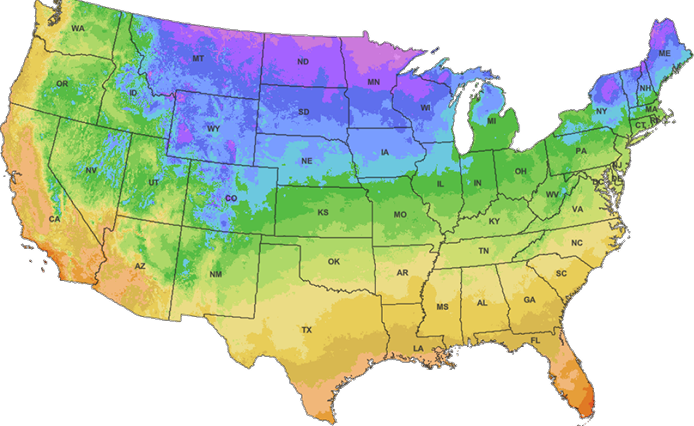
A fast-growing, cold-hardy mulberry, Illinois Everbearing thrives in USDA Zones 4–9, outperforming many other varieties in colder climates. The tree features a graceful, wide canopy with lush foliage, offering both shade and heavy fruit production. Vigorous and adaptable, it tolerates a wide range of soils and begins producing fruit within 2–3 years, rewarding growers quickly. Its long ripening period also makes it an exceptional wildlife tree, providing early- to mid-season nourishment for birds, deer, and other game.
For land stewards, homesteads, and edible landscapes seeking a high-yield, low-maintenance, multi-month fruiting mulberry, the Illinois Everbearing Mulberry remains one of the best-performing and most reliable choices available.
| Height |
20' – 30' |
| Spread |
15' – 20' |
| Tree Form |
Upright, spreading tree; can be pruned to maintain a smaller bush form |
| USDA Zone |
Zones 4–10 (very cold hardy, often tolerant to −20°F or lower) |
| Blooms |
Spring (small, greenish-yellow mulberry flowers) |
| Drops Fruit or Nut |
Mid to late summer into early fall (continuous or “everbearing” ripening) |
| Soil |
Well-drained soil; very adaptable to a range of soil types including sandy, loamy, clay, and poorer soils once established |
| Soil pH |
Adaptable to 5.5 – 7.0 |
| Light requirements |
Full sun (minimum 6–8 hours direct sunlight) |
| Pollination |
Self-fertile (single tree produces fruit); yields can be enhanced with additional mulberry trees nearby |
| Suggested Pollinators |
Additional mulberry trees increase pollination and fruit production — beneficial for maximum harvest density |