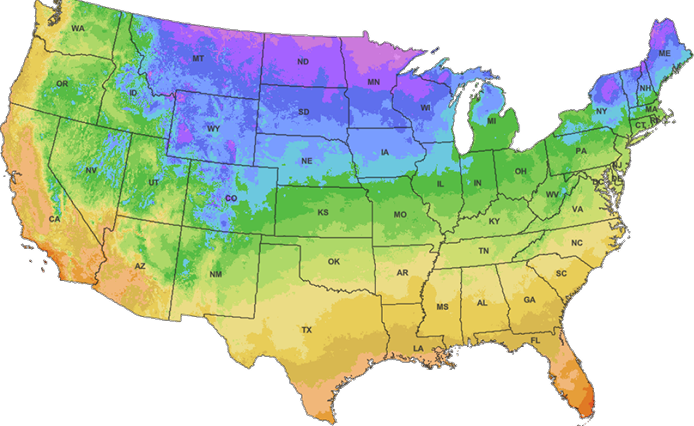
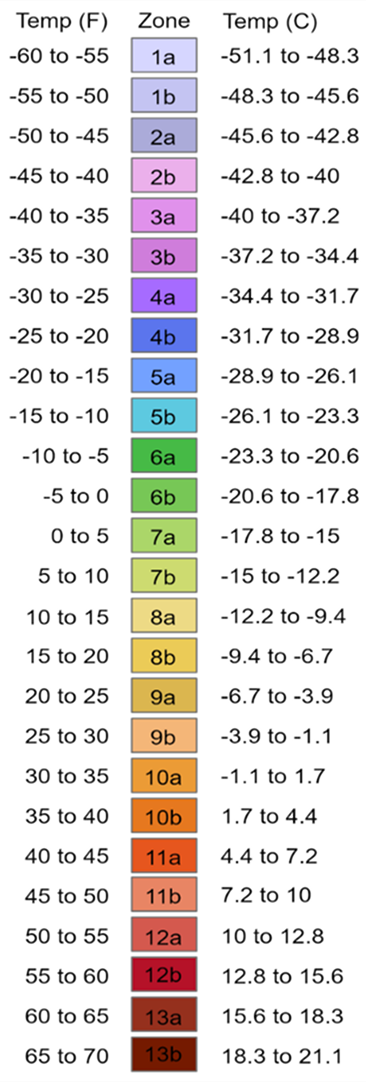
Zone Compatibility

| Height | 30' - 40' |
| Spread | 15 - 20' |
| Tree Form | Modified leader or multi-trunk |
| USDA Zone | 7 - 10 |
| Blooms | April - May |
| Drops Fruit or Nut | April - May |
| Soil | Adapted to upland, well drained, sandy clay or loam. Can handle wet soil if seasonal and well drained |
| Soil pH | 5.5 - 7.0 |
| Light requirements | Full Sun |
| Pollination | Self-fertile |
| Suggested Pollinators | Each additional tree will increase pollination for better mast production |
Black Mulberry Tree
Morus nigra
Price range: $36.95 through $106.95
Zone Compatibility

| Height | 30' - 40' |
| Spread | 15 - 20' |
| Tree Form | Modified leader or multi-trunk |
| USDA Zone | 7 - 10 |
| Blooms | April - May |
| Drops Fruit or Nut | April - May |
| Soil | Adapted to upland, well drained, sandy clay or loam. Can handle wet soil if seasonal and well drained |
| Soil pH | 5.5 - 7.0 |
| Light requirements | Full Sun |
| Pollination | Self-fertile |
| Suggested Pollinators | Each additional tree will increase pollination for better mast production |
We accept orders year-round.
Your order will ship within next 7-14 days or requested date.
For more information see the Ordering & Shipping section below.
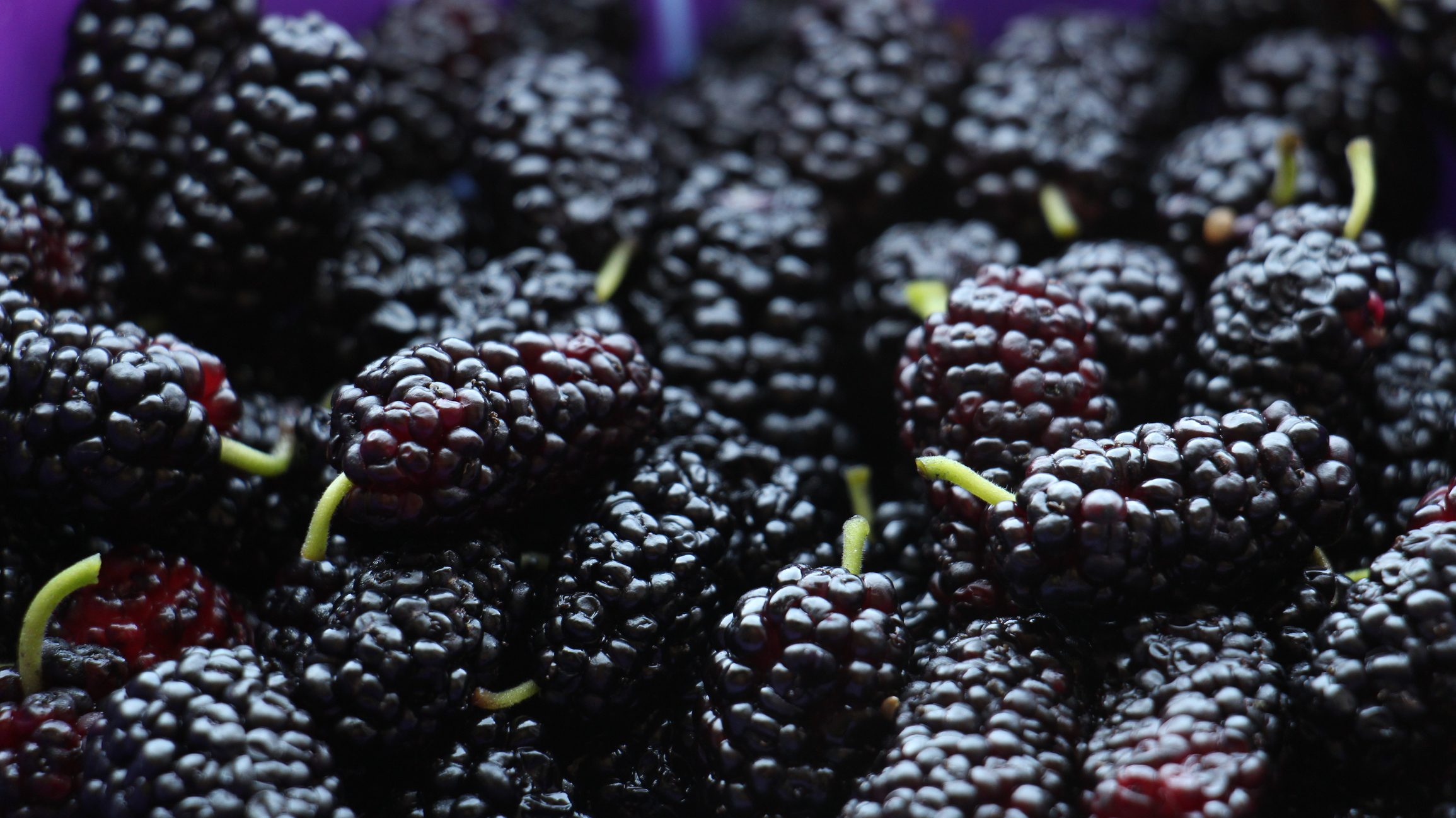
The Black Mulberry Tree (Morus nigra), native to western Asia and the Middle East, is widely regarded as the highest-quality mulberry variety, producing jet-black berries with an exceptionally rich, sweet flavor—often compared to seedless blackberries. Adapted to warmer, drier climates like California and the Southwest, Black Mulberry can also thrive in the Southeast, where it often grows into a taller shade-giving tree with outstanding fruiting potential.
This fast-growing deciduous tree begins fruiting very early in spring, providing an abundant harvest at a time when few other fruits are ripe. For land stewards, gardeners, and wildlife managers, Black Mulberry offers a critical early-season food source for deer, birds, and game, while also delivering gourmet-quality fruit for fresh eating, jams, pies, cobblers, dehydrating, and winemaking. Selected cultivars yield large black berries up to 2 inches long, packed with intense sweetness and deep color.
Cold hardy to USDA Zones 7–10, Black Mulberry is easy to grow, adaptable, and productive, often bearing fruit within 2 years depending on care and climate. Gardeners in cooler northern zones (5–6) may still grow Black Mulberry successfully with winter protection and attentive care during establishment.
| Height | 30' - 40' |
| Spread | 15 - 20' |
| Tree Form | Modified leader or multi-trunk |
| USDA Zone | 7 - 10 |
| Blooms | April - May |
| Drops Fruit or Nut | April - May |
| Soil | Adapted to upland, well drained, sandy clay or loam. Can handle wet soil if seasonal and well drained |
| Soil pH | 5.5 - 7.0 |
| Light requirements | Full Sun |
| Pollination | Self-fertile |
| Suggested Pollinators | Each additional tree will increase pollination for better mast production |
| Spacing | 40' - 50' |
| Pruning | Light pruning while young to create strong branch framework |
| Fertilization | Do not fertilize at planting. Once the trees are established, fertilize in early spring (Mar-April) as growth begins. Do not fertilize in the fall, which could promote late season tender growth that can be damaged by early frosts. |
| Watering | Newly planted trees should be watered regularly. This is the most critical step in the establishment of your new trees. Please see the Watering section under "How to plant and grow" in our Learning Center. |
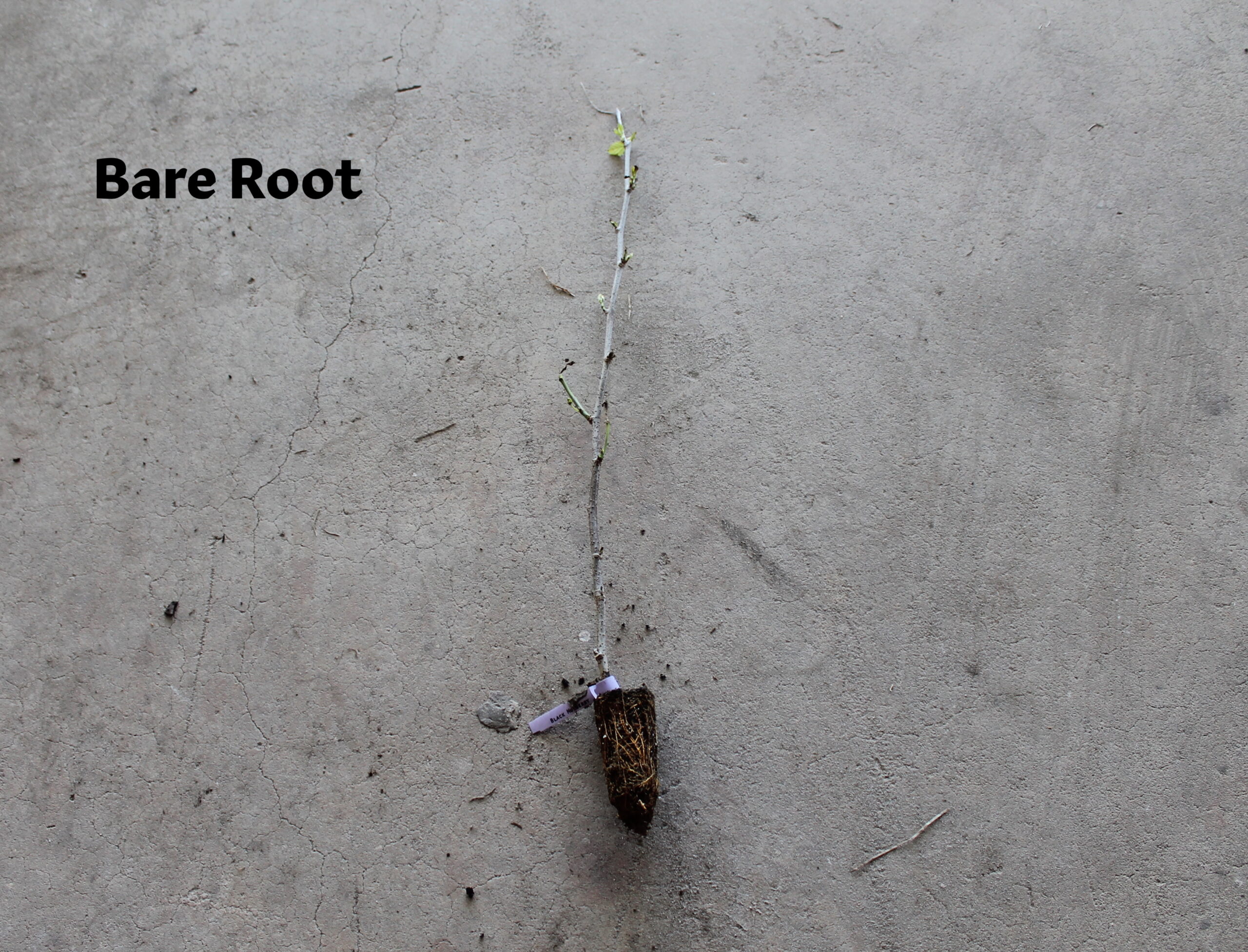
At Chestnut Hill Outdoors, we’ve been shipping mail order trees for over 30 years. We’re experts at delivering healthy trees to your doorstep. All of our trees are container grown in root-enhancing pots, ensuring healthy root systems and much better success upon planting.
For more information, visit our Ordering & Shipping Page.