Zone Compatibility

| Height | 18' - 20' |
| Spread | 12' - 13' |
| Tree Form | Central Leader |
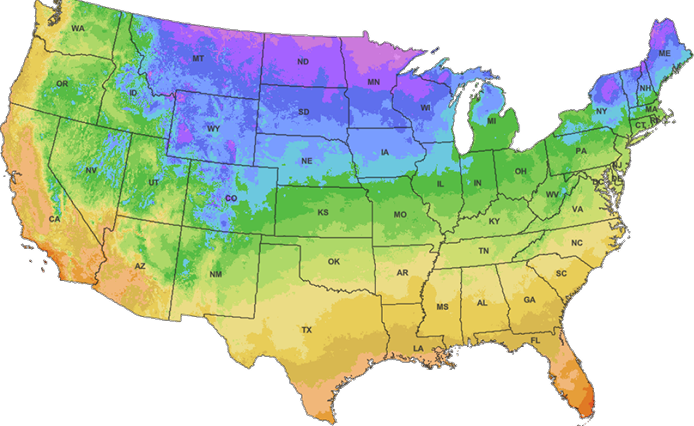
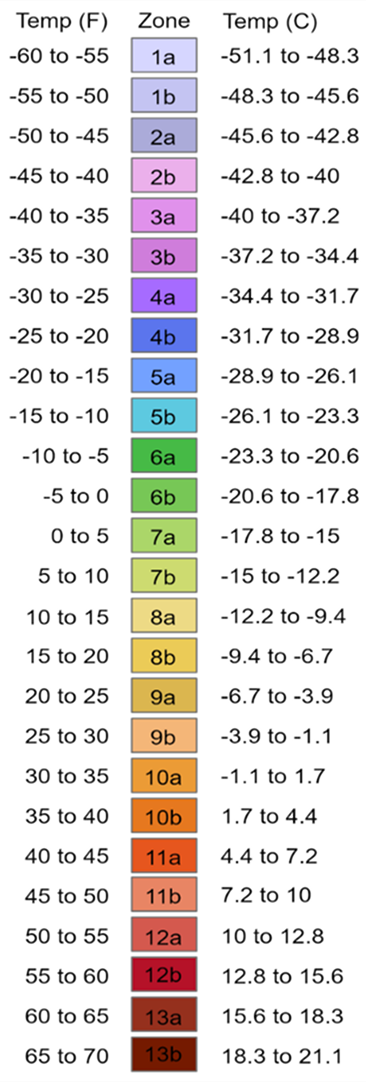
| USDA Zone | 5-8 |
| Blooms | Spring |
| Drops Fruit or Nuts | Late August |
| Soil | Adapted to upland, well drained, sandy clay or loam. Can handle wet soil only if seasonal and well drained |
| Soil pH | 6.0 - 7.0 |
| Light requirements | Full Sun |
| Pollination | Requires Pollinator. Plant at LEAST two trees for pollination; however, each additional tree will increase pollination for better mast production |
| Suggested Pollinators | Plant more than one for better yield |

Southern Bartlett Pear Tree
Pyrus communis x pyrifolia
$64.95
Zone Compatibility

| Height | 18' - 20' |
| Spread | 12' - 13' |
| Tree Form | Central Leader |
| USDA Zone | 5-8 |
| Blooms | Spring |
| Drops Fruit or Nuts | Late August |
| Soil | Adapted to upland, well drained, sandy clay or loam. Can handle wet soil only if seasonal and well drained |
| Soil pH | 6.0 - 7.0 |
| Light requirements | Full Sun |
| Pollination | Requires Pollinator. Plant at LEAST two trees for pollination; however, each additional tree will increase pollination for better mast production |
| Suggested Pollinators | Plant more than one for better yield |
We accept orders year-round.
Your order will ship within next 7-14 days or requested date.
For more information see the Ordering & Shipping section below.
The Southern Bartlett Pear Tree (Pyrus communis ‘Bartlett’), also known as the Williams Pear in Europe, is the most widely grown pear variety in the world—and this low-chill selection brings that legendary flavor to warm Southern climates. Requiring just ~350 chill hours, Southern Bartlett delivers the classic Bartlett experience where standard European pears often struggle, making it an excellent choice for home orchards, backyard growers, and Southern edible landscapes.
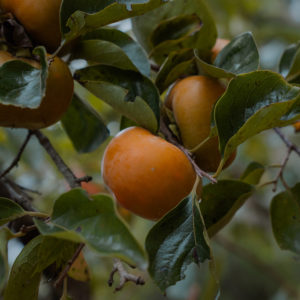
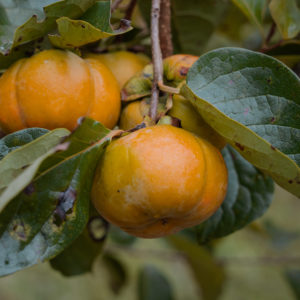
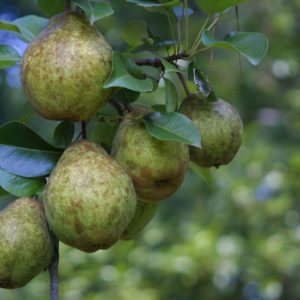
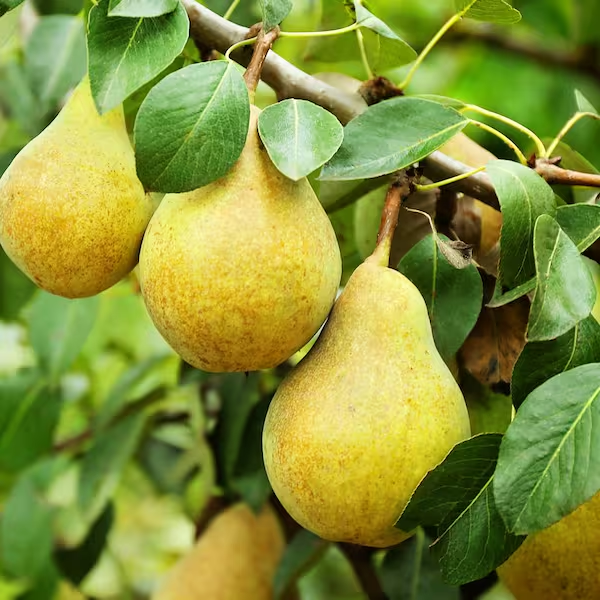
Introduced to the United States in the 1790s by Enoch Bartlett of Massachusetts, this historic pear quickly became the gold standard for flavor and versatility. In early to mid-spring, Southern Bartlett trees are covered in soft, white blossoms that attract pollinators and add ornamental beauty. The fruit begins green on the tree, then ripens to a warm golden yellow with occasional red blush, releasing the unmistakable sweet aroma and juicy texture Bartlett pears are famous for.
Perfect for fresh eating, canning, baking, and preserves, Southern Bartlett pears offer reliable production, excellent eating quality, and proven adaptability. For growers seeking a low-chill pear tree that delivers world-class flavor with Southern performance, the Southern Bartlett Pear Tree remains an unmatched classic.
Required Chill Hours- 350
| Height | 18' - 20' |
| Spread | 12' - 13' |
| Tree Form | Central Leader |
| USDA Zone | 5-8 |
| Blooms | Spring |
| Drops Fruit or Nuts | Late August |
| Soil | Adapted to upland, well drained, sandy clay or loam. Can handle wet soil only if seasonal and well drained |
| Soil pH | 6.0 - 7.0 |
| Light requirements | Full Sun |
| Pollination | Requires Pollinator. Plant at LEAST two trees for pollination; however, each additional tree will increase pollination for better mast production |
| Suggested Pollinators | Plant more than one for better yield |
| Spacing | 18' - 20' |
| Pruning | Pear trees should be pruned annually in the winter when they are dormant. Please refer to the Pruning section under "How to plant and grow" in our Learning Center. |
| Fertilization | It is not recommended to fertilize trees at the time of planting or young trees. Excessive fertilizing may cause premature fruit drop. Apply a balanced slow release fertilizer after the tree is established and begins to break dormancy in spring. |
| Watering | Newly planted trees should be watered regularly. This is the most critical step in the establishment of your new trees. Please see the Watering section under "How to plant and grow" in our Learning Center. |
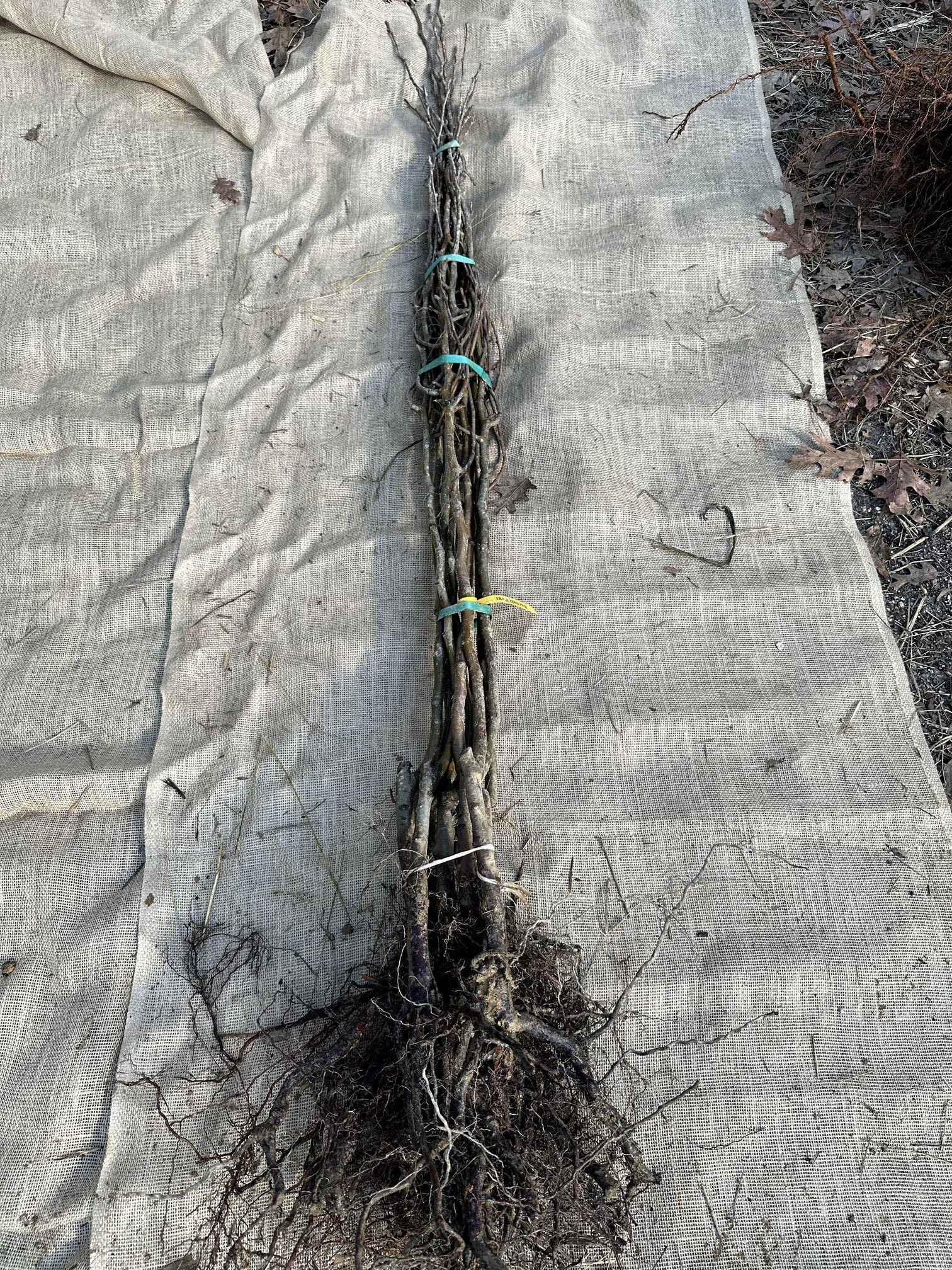
At Chestnut Hill Outdoors, we’ve been shipping mail order trees for over 30 years. We’re experts at delivering healthy trees to your doorstep. All of our trees are container grown in root-enhancing pots, ensuring healthy root systems and much better success upon planting.
For more information, visit our Ordering & Shipping Page.