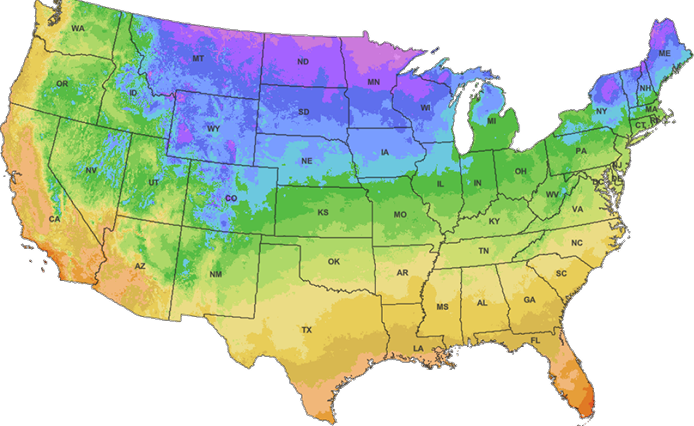
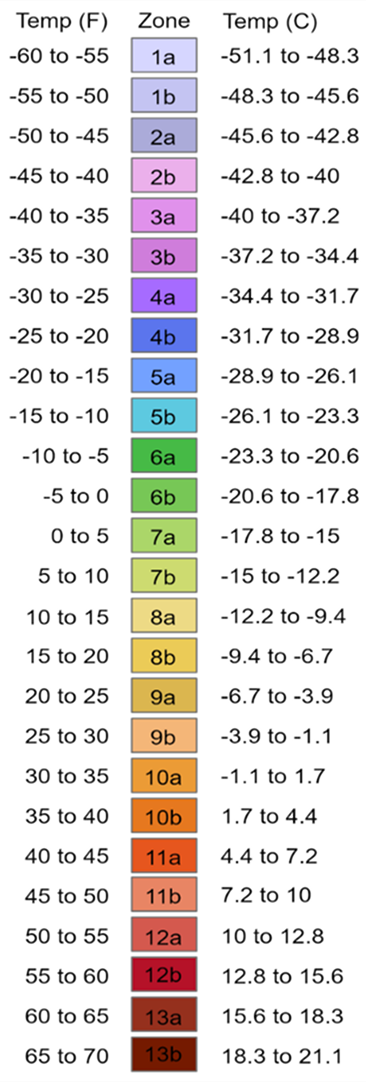
Zone Compatibility

Height 35–60 feet at maturity
Spread 35–50 feet wide canopy
Tree Form Deciduous native shade tree; broad, rounded to spreading crown with strong central trunk
USDA Zone 4–9
Blooms Spring (April–May); small, greenish catkin flowers
Drops Fruit or Nut Early to mid-summer; produces elongated red to dark purple mulberries that ripen over several weeks
Soil Adaptable; prefers deep, fertile, well-drained loam but tolerates clay, sandy soils, and river bottoms
Soil pH Slightly acidic to neutral (5.5–7.0 preferred)
Light requirements Full sun to partial shade (best fruit production in full sun)
Pollination Primarily dioecious (separate male and female trees); female trees require a male nearby for heavy fruit set, though some trees may produce limited fruit without a dedicated pollinator
Suggested Pollinators Additional mulberry trees increase pollination and fruit production — beneficial for maximum harvest density

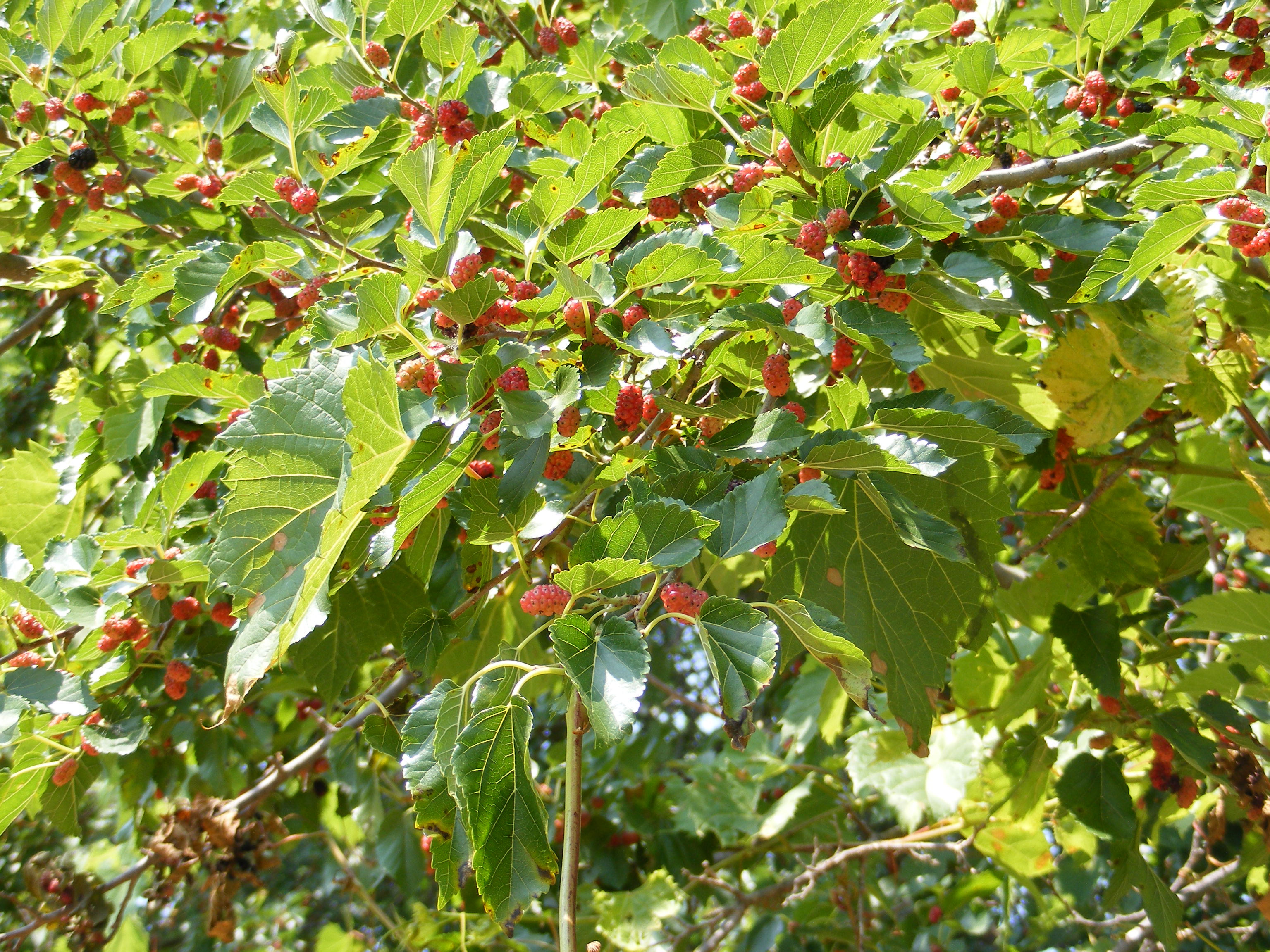
Native Red Mulberry Tree (Morus Rubra)

Morus nigra

Price range: $36.95 through $106.95

Your order will ship UPS Ground directly to you. Trees ship within 7-14 days unless specified or special requested. "Pre order" trees and bare root trees ship starting February according to your USDA Zone. Some "Pre order" 3-Gallon containers will ship starting Summer 2026 as specified in Product Description.

Zone Compatibility

Height 35–60 feet at maturity
Spread 35–50 feet wide canopy
Tree Form Deciduous native shade tree; broad, rounded to spreading crown with strong central trunk
USDA Zone 4–9
Blooms Spring (April–May); small, greenish catkin flowers
Drops Fruit or Nut Early to mid-summer; produces elongated red to dark purple mulberries that ripen over several weeks
Soil Adaptable; prefers deep, fertile, well-drained loam but tolerates clay, sandy soils, and river bottoms
Soil pH Slightly acidic to neutral (5.5–7.0 preferred)
Light requirements Full sun to partial shade (best fruit production in full sun)
Pollination Primarily dioecious (separate male and female trees); female trees require a male nearby for heavy fruit set, though some trees may produce limited fruit without a dedicated pollinator
Suggested Pollinators Additional mulberry trees increase pollination and fruit production — beneficial for maximum harvest density

We accept orders year-round.

Your order will ship within next 7-14 days or requested date.

 For more information see the Ordering & Shipping section below.


The Native Red Mulberry (Morus rubra) is a powerful, fast-growing native fruit tree prized for its sweet, blackberry-like fruit, wildlife value, and adaptability across the United States. As a true American native mulberry tree, Morus rubra supports pollinators, birds, and wildlife while producing abundant crops of delicious, nutrient-rich berries for home harvest.

This vigorous red mulberry tree produces clusters of deep red to dark purple mulberries with a rich, sweet-tart flavor perfect for fresh eating, jams, jellies, pies, wine, and baking. The fruit is highly attractive to songbirds, deer, and wildlife, making it an outstanding choice for wildlife habitat plantings, conservation projects, food forests, and native landscaping.

Native Red Mulberry trees grow into a strong, spreading canopy, providing excellent shade, erosion control, and ornamental beauty. Adaptable to a wide range of soil types, Morus rubra thrives in full sun to partial shade and is valued for its hardiness, disease resistance, and long lifespan. This makes it one of the best native shade trees with edible fruit for sustainable landscapes.

Ideal for backyard orchards, homesteads, wildlife corridors, reforestation efforts, and native plant restoration, the Native Red Mulberry tree for sale delivers ecological benefit alongside heavy fruit production. For growers seeking a cold-hardy native fruit tree that feeds both family and wildlife while strengthening the landscape, Morus rubra stands as a Chestnut Hill selection rooted in performance, resilience, and American heritage.

Height 35–60 feet at maturity
Spread 35–50 feet wide canopy
Tree Form Deciduous native shade tree; broad, rounded to spreading crown with strong central trunk
USDA Zone 4–9
Blooms Spring (April–May); small, greenish catkin flowers
Drops Fruit or Nut Early to mid-summer; produces elongated red to dark purple mulberries that ripen over several weeks
Soil Adaptable; prefers deep, fertile, well-drained loam but tolerates clay, sandy soils, and river bottoms
Soil pH Slightly acidic to neutral (5.5–7.0 preferred)
Light requirements Full sun to partial shade (best fruit production in full sun)
Pollination Primarily dioecious (separate male and female trees); female trees require a male nearby for heavy fruit set, though some trees may produce limited fruit without a dedicated pollinator
Suggested Pollinators Additional mulberry trees increase pollination and fruit production — beneficial for maximum harvest density

Spacing 30–40 feet apart for proper canopy development
Pruning Minimal pruning required; shape when young to establish strong structure; remove dead, damaged, or crossing branches during dormancy
Fertilization Do not fertilize at planting. Light feeder; apply balanced fertilizer or compost in early spring if growth is weak; avoid excessive nitrogen
Watering Newly planted trees should be watered regularly. This is the most critical step in the establishment of your new trees. Please see the Watering section under "How to plant and grow" in our Learning Center.

At Chestnut Hill Outdoors, we’ve been shipping mail order trees for over 30 years. We’re experts at delivering healthy trees to your doorstep. All of our trees are container grown in root-enhancing pots, ensuring healthy root systems and much better success upon planting. 


For more information, visit our Ordering & Shipping Page.

Alachua, FL

Get Dirt Wisdom.

Join our mailing list.

0
    Your Basket
    Your cart is emptyReturn to Shop